
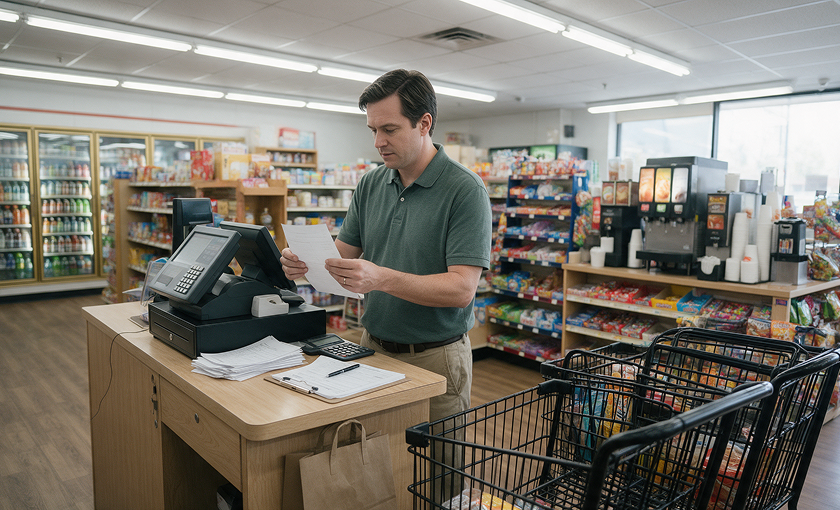
Convenience store operators cannot control inflation, supplier pricing or every outside pressure affecting their margins. But they may have more control over purchasing costs than they realize.
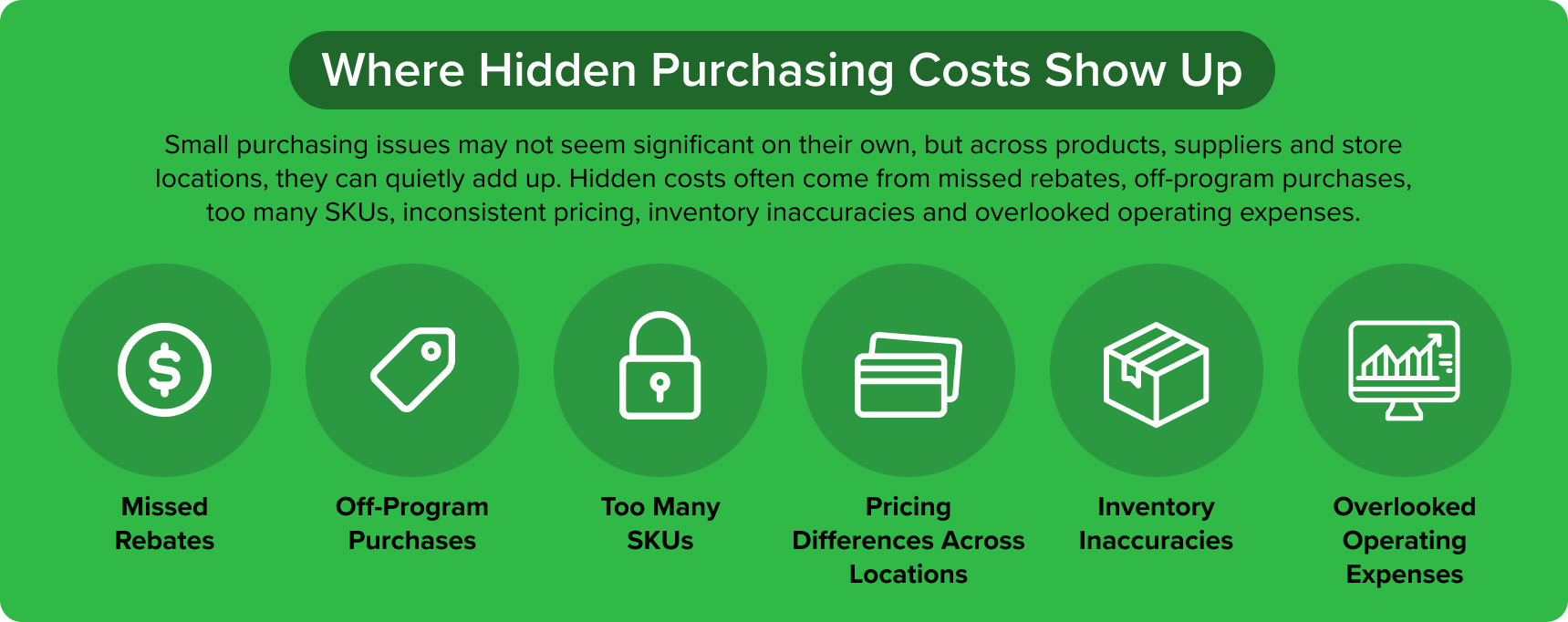
Missed rebates, off-program purchases, inconsistent products and overlooked operating expenses can quietly reduce profitability. Individually, these costs may not look significant. Across multiple categories, suppliers and locations, however, they can add up quickly.
Finding savings does not always require changing suppliers, reducing quality or waiting for market conditions to improve. Sometimes, the best place to start is with the products and services you already purchase.
Where Are Hidden Purchasing Costs Cutting Into Your Margins?
The price printed on an invoice is only one part of what a purchase ultimately costs your business. Product choices, program participation, inventory practices and location-level execution can all affect how much value you receive from every dollar spent.
Here are some of the most common places purchasing value can slip through the cracks.
Missed Rebates on Products You Already Purchase
If you are purchasing rebate-eligible products but are not connected to the right program, you may be leaving cash back unclaimed. The same can happen when supplier account information is missing, products are purchased outside an available contract or individual locations are not properly enrolled.
These are not savings that require you to negotiate a new supplier agreement. They may already be available on products you buy every week. Reviewing rebate eligibility and confirming that every location is connected to your purchasing program can help turn routine orders into additional value.
Off-Program Purchases and Inconsistent Product Selection
Convenience stores often need flexibility, especially when products are unavailable or customer demand shifts. However, frequent substitutions and off-program purchases can make it harder to capture negotiated pricing and rebates.
In a multi-location operation, one store may buy a different brand, pack size or product variation than another. That inconsistency can fragment purchasing volume and reduce the value available through approved products.
Clear product guidance can help store teams understand which items support both operational needs and purchasing goals while still allowing appropriate substitutions when necessary.
Too Many SKUs and Overlapping Suppliers
More choice is not always more profitable. Carrying several products that serve nearly the same purpose can create unnecessary inventory, complicate ordering and increase the likelihood of waste.
SKU complexity can become especially costly in prepared food and beverage programs. Convenience Store News reports that operational breakdowns are often tied to too many SKUs, preparation steps and exceptions. Simplifying the assortment can make products easier to order, store, prepare and track.
Operators can begin by identifying duplicate products, slow-moving items and purchases spread across multiple suppliers. Consolidating where it makes sense may help concentrate volume and make the overall program easier to manage.
Pricing That Varies Across Locations
When invoices are reviewed one store at a time, pricing differences can be difficult to spot. Two locations may purchase the same item from the same supplier but pay different prices due to ordering choices, pack sizes, fees or inconsistent program participation.
Centralized purchasing visibility makes those differences easier to identify. It also gives operators a better starting point for investigating unusual costs and determining whether locations are following the intended purchasing strategy.
Inventory Records That Do Not Match the Shelf
Inventory inaccuracies affect more than recordkeeping. When the system shows more product than the store actually has, teams may delay reordering and miss sales. When the system shows less, they may order products they do not need.
A grocery retail study covering approximately 24,000 SKUs across 11 stores found that inventory audits led to an 11% storewide sales lift, with the improvement concentrated among products where recorded inventory was higher than actual inventory. The researchers also found that perishable items were associated with greater inventory inaccuracy. Review the inventory accuracy research.
Regular counts and purchasing reviews can help operators catch discrepancies before they contribute to out-of-stocks, spoilage or unnecessary orders.
Operational Expenses That Escape Purchasing Reviews
Food and beverages may receive the most attention, but they are far from the only purchases required to run a convenience store.
Packaging, cleaning products, uniforms, pest control, waste services, technology, maintenance and equipment all affect the bottom line. Because these expenses may be managed by different teams or vendors, they can easily fall outside a traditional purchasing review.
Looking at these costs together can reveal duplicate services, inconsistent pricing and savings programs that individual locations may not know are available.
How to Find More Savings in the Purchases You Already Make
Once operators know where to look, the next step is turning purchasing activity into something they can evaluate and improve. A few practical changes can make it easier to capture available savings without disrupting store operations.
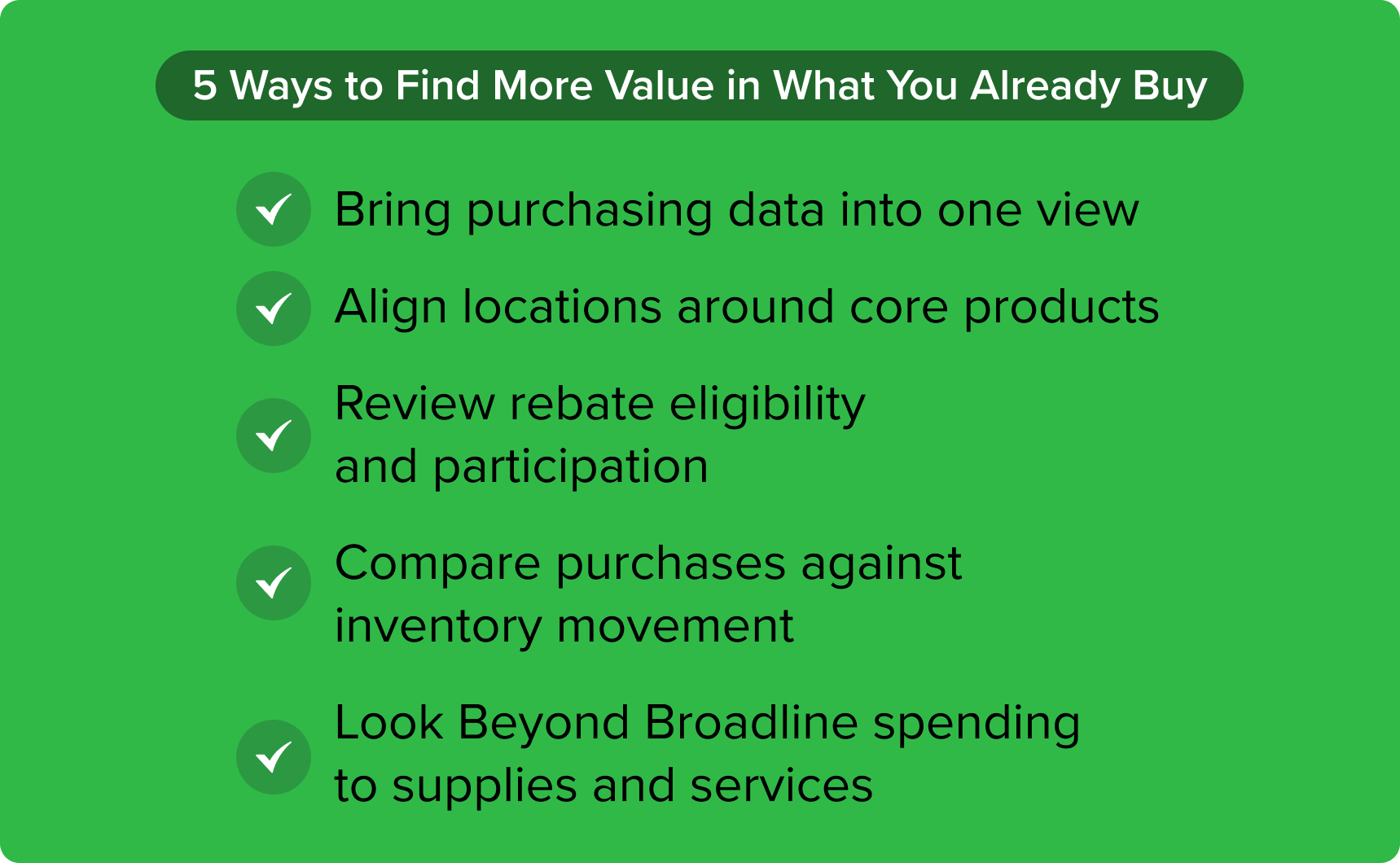
Bring Purchasing Information Into One Clear View
Start by creating a more complete picture of what your stores purchase, what they pay and which suppliers they use. This information can help answer important questions:
- Are locations purchasing the same products at different prices?
- Which items are eligible for rebates?
- Where are stores buying outside the preferred program?
- Are multiple products or suppliers serving the same purpose?
- Which expenses have not been reviewed recently?
The goal is not simply to collect more data. It is to make that information useful enough to guide purchasing decisions.
Align Locations Around the Right Products
Product alignment helps operators concentrate purchasing volume and reduce unnecessary variation. It can also make ordering, training and inventory management more consistent across locations.
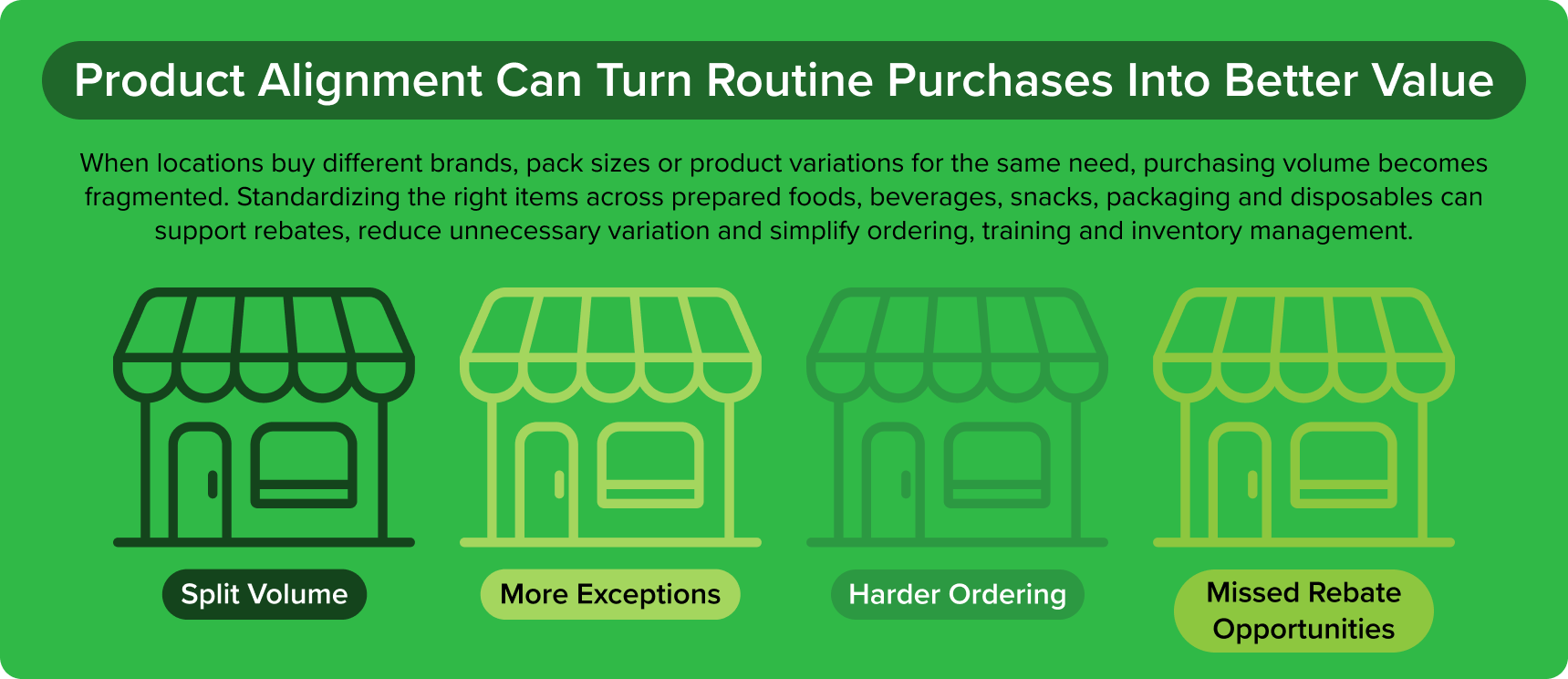
Begin with high-volume categories such as prepared foods, dispensed beverages, snacks, packaging and disposables. Compare what each location purchases, then identify opportunities to standardize brands, sizes or specifications where doing so makes operational sense.
The right product is not always the least expensive option. Quality, availability, labor requirements, shelf life and customer expectations should all be part of the decision.
Review Rebate Eligibility and Program Participation
Rebate programs are most effective when supplier information is accurate and teams understand which products qualify. Operators should regularly review participating locations, supplier account numbers and frequently purchased items.
This review may uncover locations that were never enrolled, products with rebate-eligible alternatives or purchases that are close to qualifying but currently fall outside the program.
A small product adjustment across a frequently purchased category can create meaningful value over time, especially when applied across several stores.
Use Purchasing Insights to Support Inventory Decisions
Purchasing and inventory should tell the same story. When they do not, operators may be dealing with waste, inaccurate counts, inconsistent ordering or products that are not selling as expected.
Reviewing purchases alongside inventory movement can help identify:
- Items that are ordered more quickly than they sell
- Products with frequent out-of-stocks
- Perishable items that regularly go unused
- Duplicate SKUs dividing sales within the same category
- Products that perform differently across locations
These insights can support better order quantities and a more focused product assortment.
Look Beyond Broadline Purchases for Additional Savings
A purchasing program should account for more than products arriving on the primary foodservice delivery truck. Convenience stores purchase from manufacturers, specialty suppliers and service providers across nearly every part of the operation.
Expanding the review creates several opportunities to save, and it gives operators a clearer picture of their total operating costs.
Capture More Value From Food and Beverage Manufacturers
Manufacturer programs can provide rebates, promotional support and member pricing across beverages, prepared foods, snacks, candy, bakery products, frozen items and grab-and-go offerings.
Operators can compare the products they currently purchase with available manufacturer programs to see where their existing buying activity may qualify for cash back. They may also find comparable products that better support their purchasing goals without changing the experience customers expect.
This is also helpful when planning seasonal promotions or limited-time offers. Industry operators have found that using ingredients already in their assortment can help control costs, simplify execution and reduce inventory complexity, according to Convenience Store News’ coverage of convenience store LTO strategies.
Reduce Spending on Supplies and Store Essentials
Cups, lids, takeout containers, paper products, cleaning supplies and other store essentials may not receive the same scrutiny as food purchases, but they are used in significant volume.
Reviewing these categories can uncover inconsistent products, missed contract pricing and opportunities to consolidate commonly used items. It can also help operators select products that work across multiple menu applications, reducing the number of supplies each store needs to stock.
Review the Services Supporting Your Stores
Many recurring operating expenses never appear on a foodservice invoice. Waste management, pest control, telecommunications, payment processing, maintenance and technology services can all contain savings opportunities.
Operators should review which vendors serve each location, what services are included and whether pricing varies across the business. Negotiated programs may be available for services already in use, making this one of the least disruptive places to look for savings.
Protect Margins Without Taking Value Away From Customers
Cutting costs and creating value are not the same thing. Removing a popular item, reducing quality or choosing a product that makes store execution more difficult may lower the purchase price while creating new costs elsewhere.
A stronger purchasing strategy focuses on spending that does not add value for the operator or the customer. That could mean eliminating duplicate SKUs, capturing an available rebate, standardizing supplies or improving inventory accuracy.
The goal is to protect margins while continuing to deliver the products, convenience and quality that keep customers coming back.
Turn Everyday Purchases Into More Value With SaveMore
SaveMore helps convenience stores and specialty markets find more value across the purchases they already make. Members can access exclusive pricing through more than 350 manufacturer contracts, earn cash back on more than 175,000 eligible food and disposable items, and explore savings from over 800 suppliers and programs beyond foodservice delivery.
Purchasing insights also help members understand their buying activity and identify products that may offer additional savings. That means operators can make more informed decisions across food, beverages, packaging, supplies and other operating expenses.
Ready to uncover the savings hiding inside your current purchasing program? Click here to contact SaveMore and join for free to start earning more value from the purchases you already make.
Frequently Asked Questions
What are hidden purchasing costs in a convenience store?
Hidden purchasing costs are expenses that may go unnoticed, such as missed rebates, off-program purchases, duplicate products, inconsistent pricing, excess inventory and unmanaged service costs.
How can convenience stores reduce purchasing costs without lowering quality?
Operators can improve product alignment, claim available rebates, reduce unnecessary SKUs, compare pricing across locations and review operational expenses before changing product quality.
How do rebates help convenience stores save money?
Rebates return a portion of eligible purchase spending to the operator. When frequently purchased products qualify, those earnings can create ongoing value without changing normal ordering routines.
Why is purchasing visibility important for convenience stores?
Purchasing visibility helps operators understand what locations buy, what they pay and whether purchases follow the intended program. It can reveal pricing differences, missed rebates and opportunities to consolidate spending.
Can SaveMore help with expenses beyond food and beverages?
Yes. SaveMore members can access savings programs for equipment, technology, services and other operational needs in addition to food, beverage, packaging and disposable purchases.